Returns and Chargebacks: Reducing Disputes
By the ZeDaq.ai team · · 4 min read
On this page
- What is the difference between a return and a chargeback?
- Why do customers file chargebacks on clothing orders?
- How do clear policies prevent disputes?
- How do fit and product pages affect disputes?
- What records should you keep?
- How should you respond when a chargeback arrives?
- What does a prevention checklist look like?
- How do you stop repeat disputes?
To reduce chargebacks in fashion, make returns easy to start, describe products and sizes accurately, and keep records for every order. Most disputes begin when a customer cannot get a return or a reply and asks their bank instead.
This guide is for store owners. It explains how returns and chargebacks connect, and what to do before and after a dispute. A good place to begin is fit, covered in AI size recommendation for fashion stores.
What is the difference between a return and a chargeback?
A return is a request to you. The customer sends the item back, and you refund or exchange it.
A chargeback is a request to their bank. The bank pulls the money back from your account and asks you to prove the sale was fair. Your payment provider may also add a fee, so check its terms.
Returns are routine. Chargebacks are costly and can harm your standing with the processor.
Why do customers file chargebacks on clothing orders?
Fashion disputes tend to come from a few causes.
- Item not as described. Color, fabric or fit differs from the page.
- Wrong size, no easy return. The customer cannot work out how to send it back.
- Not received. The parcel was late or lost.
- Unrecognized charge. The statement name does not match your brand.
- Friendly fraud. A customer receives the order and disputes it anyway.
Each cause points to a different fix, so sort your disputes by reason before you change anything. A late parcel needs a carrier fix, while a wrong-size complaint needs a size fix.
Most of these are preventable. Only the last one is outside your control, and clear records help you respond.
How do clear policies prevent disputes?
Put your returns policy where shoppers will see it, in plain language. State the return window, who pays for postage and how refunds are issued.
Link it from product pages, the cart and order confirmation emails. If the customer can find the answer, they are less likely to call the bank. For policy ideas, see returns policy ideas that protect margins.
How do fit and product pages affect disputes?
A shopper who orders the wrong size may feel the item was misrepresented. Clear sizing lowers that risk.
- Use a size chart in the units your customers use
- Add fit notes such as "runs small"
- Show accurate color photos
- Name the fabric
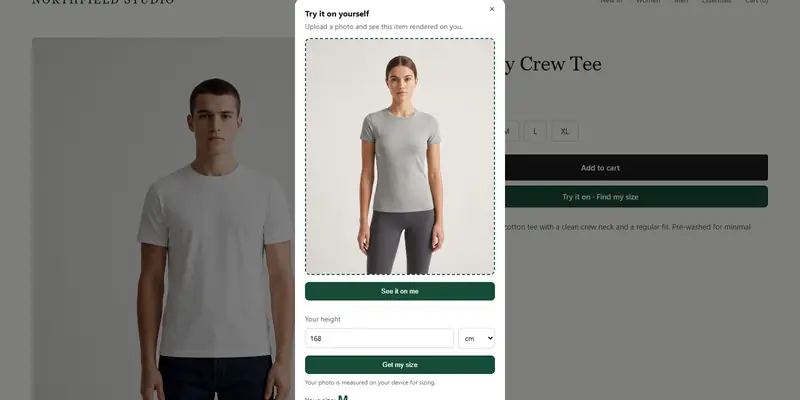
A try-on or size recommendation tool can help shoppers choose better before paying. ZeDaq.ai, for example, matches a body scan to your own size chart. See how virtual try-on can reduce clothing returns, with sources cited in that article.
What records should you keep?
Good records win disputes. Keep these for each order:
- Order confirmation and the customer's agreement to your terms
- Proof of delivery or tracking
- Customer messages
- Photos of the packed item when the value is high
- Return and refund records
A simple log helps. Our simple spreadsheet returns tracker shows how to record each return so you can see patterns.
How should you respond when a chargeback arrives?
Act quickly, because processors set deadlines. Follow these steps:
- Read the reason code your processor gives.
- Collect the matching records from your files.
- Reply within the deadline, with a short, factual summary.
- Offer to refund directly if the claim is fair. A refund may cost less than a dispute.
- Log the outcome and the cause.
Rules and deadlines differ by processor and card network. Read your provider's own guidance, as we cannot cover every case here.
What does a prevention checklist look like?
Use this list before each sale season:
- Returns policy visible on product pages, cart and emails
- Billing descriptor matches your brand name
- Tracking sent to every customer
- Replies to customer messages within one working day
- Size chart and fit notes checked for top sellers
- Records saved for each order
Run through it with one real order. Place a test order, follow it to delivery and see what the customer sees.
How do you stop repeat disputes?
Review every chargeback for a cause. If several relate to one product, check its size chart and photos.
Make your returns flow smooth, too. Slow handling invites disputes, so review the returns processing workflow for small warehouses.
Use a clear billing descriptor that matches your brand name. A shopper who recognizes the charge will not dispute it.
Help shoppers pick the right size before checkout
FAQs
Is a refund cheaper than fighting a chargeback?
Often, yes. A direct refund avoids a fee and the time spent on evidence, but check your processor's terms.
Can I stop friendly fraud completely?
No. You can reduce it with clear policies, tracking and records, but some disputes will still happen.
Should I contact the customer after a chargeback?
Check your processor's rules first. Some allow contact, and a prompt refund can resolve the matter.
Who decides a chargeback?
The customer's bank decides, using the evidence from both sides. That is why clear records and prompt replies matter.
Do all payment methods have chargebacks?
Rules vary by method and provider. Read your provider's documentation for the options you offer.
Try ZeDaq.ai free
Virtual try-on and Find my size for your store, plus client, order and invoicing tools for tailors, in one subscription.