
Pricing for Local and Diaspora Customers on One Store
By the ZeDaq.ai team · · 5 min read
On this page
- Why doesn't a simple conversion work?
- What should your diaspora price include?
- How do you set the two price lists?
- Is it fair to charge diaspora customers more?
- What mistakes should you avoid?
- How do you show multiple currencies on your website?
- How do discounts work across two price lists?
- How do you invoice customers in different currencies?
The simplest way to handle pricing for local and diaspora customers on one store is to set a naira price for Nigerian buyers and a separate, fixed price list in pounds or dollars for customers abroad, based on the full cost of getting the piece to them. Review the foreign prices on a schedule, rather than letting them move with every exchange rate change.
Many Nigerian brands sell to buyers in Lagos and Abuja and to diaspora customers in London, Houston and Toronto at the same time. One price converted at today's rate rarely works for both. This guide explains a practical naira and dollar pricing strategy. Diaspora buyers also need confidence in fit, which our guide to virtual try-on for African fashion brands covers.
Why doesn't a simple conversion work?
Converting your naira price at the day's exchange rate looks fair, but it causes problems:
- Prices change constantly. A customer who saw one price on Monday may see another on Friday.
- It ignores extra costs. International shipping, packaging, payment fees and returns cost more for orders abroad.
- It ignores what the market will pay. A diaspora buyer compares your price with other options in their own country, not with Lagos prices.
What should your diaspora price include?
Build the foreign price from the landed cost: everything it takes to get the piece into the customer's hands.
- Product cost: fabric, trims, labor and overheads
- International shipping: your courier cost, or your share if the customer pays part
- Payment fees: card and transfer fees on foreign payments
- Returns allowance: a small buffer for alterations, credits or returns abroad
- Your margin
Our guide to pricing clothes as fabric costs rise shows how to build the product cost line by line.
If you hold stock in a UK hub, add warehouse and import costs. If you ship each order from Nigeria, be clear about whether the customer pays import charges on arrival.
How do you set the two price lists?
Use a simple method:
- Set your naira price for local customers from your cost sheet.
- Work out the landed cost for a typical diaspora order.
- Add your margin to get a minimum foreign price.
- Check the market your diaspora customers shop in, and set a clean, rounded price at or above your minimum.
- Fix the price for a set period, such as a collection or a quarter.
- Review on schedule. If exchange rates or shipping costs move a lot, update the list for the next period.
Keep a simple sheet with each style, its naira price, its pound price and its dollar price. Everyone who answers DMs should use the same sheet.
Is it fair to charge diaspora customers more?
Charging a different price is common when costs and markets differ. What matters is that the price is clear and consistent.
- Show the price in the customer's currency, not as a naira figure they have to convert.
- Be upfront about delivery costs and possible import charges.
- Don't quote a different price to two customers in the same country for the same item.
Diaspora customers mainly want honesty and reliable delivery. A clear pound price with a clear delivery promise usually beats a cheaper price with surprises.
What mistakes should you avoid?
A few common mistakes make dual pricing confusing:
- Changing prices mid-conversation. If you quoted a price on WhatsApp, honor it for the validity period you stated.
- Hiding delivery until the end. Show delivery costs by country early.
- Forgetting old posts. Old Instagram captions with outdated prices confuse buyers. Point customers to one current price list.
- Mixing currencies in one message. Quote one currency per customer.
How do you show multiple currencies on your website?
Your store platform decides how currencies display. Check your platform's own documentation for multi-currency settings. Our guide on what to set up first in a multi-currency store walks through currency, language and delivery settings.
If you sell mainly through Instagram and WhatsApp, pin a message or story highlight with your price list in each currency. Send the right list based on where the customer says they are.
How do discounts work across two price lists?
Discounts need extra care when you have two price lists. A percentage off works the same way for both, but a fixed naira amount off means nothing to a buyer in pounds.
- Use percentage discounts if you run one sale for everyone.
- Check that the discounted foreign price still covers the landed cost.
- Time diaspora promotions around their events, such as wedding seasons abroad and December trips home.
Our guide to running discounts without losing margin covers how to plan sales safely.
How do you invoice customers in different currencies?
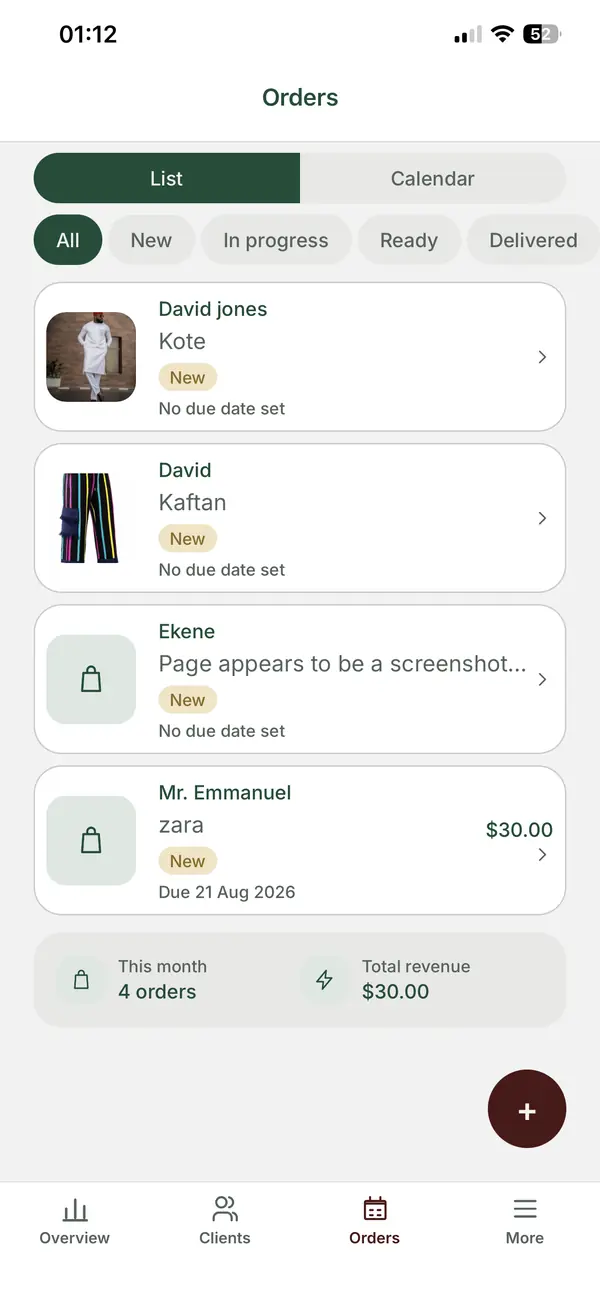
Invoice each customer in the currency they pay in. If you run a made-to-measure business, ZeDaq.ai's tailor tools include invoicing in multiple currencies, including NGN, GBP and USD, along with a client list and order calendar.
For ready-to-wear brands, ZeDaq.ai adds AI virtual try-on and a "Find my size" scan to product pages, which helps diaspora shoppers choose a size from your own chart. Paid plans start at $14 a month.
Try ZeDaq.ai free for 3 days
FAQs
Should I price diaspora orders in dollars or pounds?
Price in the currency your customer uses. UK buyers expect pounds, and US buyers expect dollars.
How often should I update foreign prices?
Set a review schedule, such as each collection or each quarter. Change prices sooner only if costs move enough to wipe out your margin.
Should delivery be included in the price?
Either works if you are clear. Many brands show the item price and a separate delivery fee by country.
What if a diaspora customer wants to pay in naira?
You can accept it, but base the amount on your foreign price list rather than your local naira price. That keeps prices consistent for everyone abroad.
Try ZeDaq.ai free
Virtual try-on and Find my size for your store, plus client, order and invoicing tools for tailors, in one subscription.

