
Nigeria's Wedding Season: A Planning Calendar for Fashion Brands
By the ZeDaq.ai team · · 4 min read
On this page
A wedding season planning calendar for Nigerian fashion brands starts with your own order history: mark the months when wedding and Aso-ebi orders peaked, then plan fabric buying, measurements, production and delivery backward from each peak. Many families choose dates when relatives travel home, such as the December holidays and the Easter break, but your own records tell you when your buyers actually order.
Weddings drive some of the biggest orders a Nigerian brand or tailor will take: bridal looks, Aso-ebi for whole families, groom's outfits and guest wear. This guide gives you a calendar method and a working routine. It sits within our broader guide on fashion brands and try-on in Africa.
Why do you need a wedding season calendar at all?
Because wedding orders arrive in waves, and each wave starts long before the wedding day. A bride booking you for Aso-ebi may contact you months ahead. Guests often order much later. Without a calendar, those waves collide, and you end up promising the same tailors and the same week to too many clients.
A calendar helps you:
- buy fabric before market prices and shortages bite
- know when to hire extra hands
- set honest cut-off dates
- spot quiet months for rest, training or new designs
How do you build your own wedding season calendar?
Use a spreadsheet, a notebook or your order software. Follow these steps:
- List every wedding order from the last year or two. Note the wedding date, the date the client first contacted you, and the date you delivered.
- Group them by month of the wedding. You'll see your busiest months clearly.
- Measure the lead time. How many weeks before the wedding did clients first contact you, on average?
- Add known events. Mark religious holidays, school holidays and the festive season, since they affect both demand and staff availability.
- Shade each month as busy, steady or quiet.
Here is a template layout. Fill it with your own data, not someone else's.
| Month | Wedding demand (from your records) | What to do this month |
|---|---|---|
| Example month A | Busy | Production and delivery for booked weddings |
| Example month B | Steady | Take bookings, buy fabric for next peak |
| Example month C | Quiet | Design samples, train staff, plan marketing |
What should happen in the months before a peak?
Work backward from each busy period. A typical routine looks like this:
Early: bookings and fabric
- Open bookings for brides and couples, and take deposits.
- Agree Aso-ebi fabric choices with each family coordinator.
- Buy or reserve fabric in bulk for confirmed groups.
Middle: measurements
- Collect measurements from every guest, ideally through a link each guest opens on their phone.
- Check unusual numbers and confirm sizes back before cutting.
- Schedule fittings for brides and close family.
Late: production and delivery
- Cut and sew in batches, starting with the earliest weddings.
- Hold final fittings and alterations.
- Pack each guest's outfit with their name, and confirm delivery or pickup times.
How do you handle diaspora and destination weddings?
Many Nigerian weddings now include guests flying in from the UK, US and Canada, or take place abroad entirely. These orders need an earlier start, because shipping and remote measurements take time.
Add a separate column to your calendar for international orders, with an earlier cut-off. Our guide to Aso-ebi for diaspora weddings covers the full process for overseas groups.
How do other seasons overlap with weddings?
Weddings don't happen in isolation. They overlap with:
- Owambe weekends, when guests attend several parties close together. The guide to Owambe season marketing covers selling to these guests.
- Sallah and Eid, which shift each year and bring their own rush of family orders. See the guide to Eid and Sallah collections.
- Christmas and Detty December, when many weddings and parties share the same weeks.
Put all of these on one calendar, so you can see when they stack up.
What tools help you stay on top of wedding season?
The busier the season, the more a notebook and WhatsApp chats break down. Look for tools that keep everything in one place:
- A client list with each bride, family and guest.
- Measurement links that clients fill in on their phone.
- An orders view with delivery dates so you can see your workload by week.
- Invoices that track deposits and balances, in naira or a client's own currency.
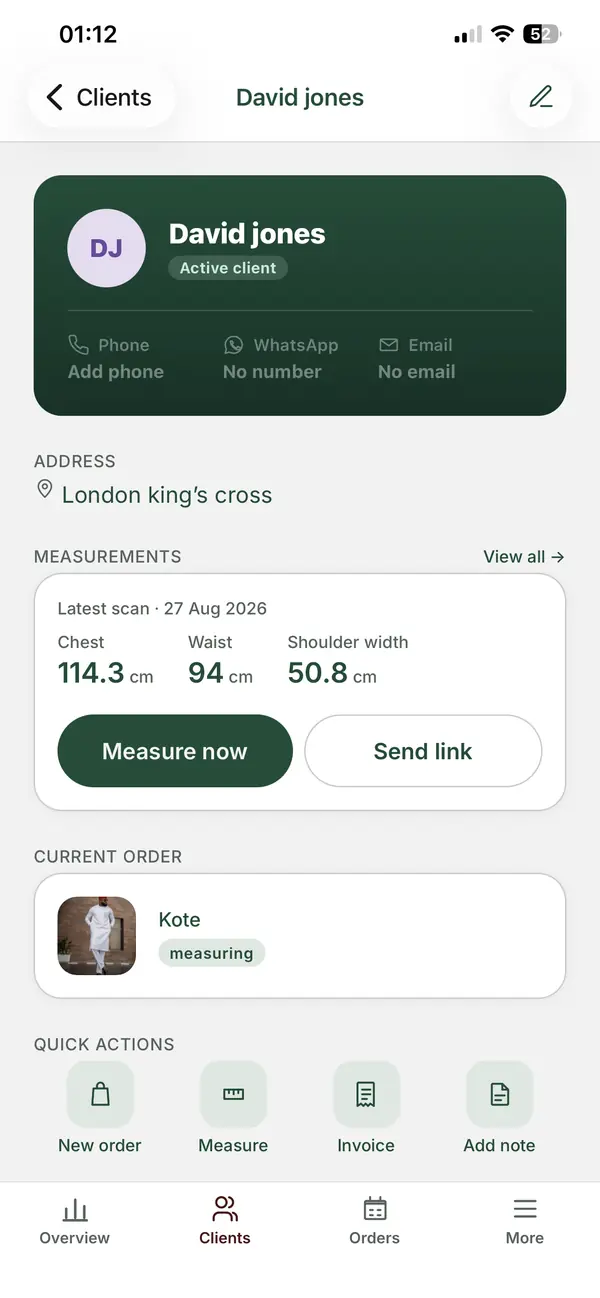
ZeDaq.ai's tools for tailors and designers cover these: a client CRM, measurement links, orders with a delivery calendar, and invoicing in multiple currencies, including NGN, GBP and USD. The ZeDaq Business mobile app for iOS and Android lets you check orders on the go.
Plan your next wedding season in one place
FAQs
When is wedding season in Nigeria?
Weddings happen all year, but many families choose holiday periods when relatives can travel. Your own past orders are the best guide to when your buyers need you.
How early should I start preparing for a busy wedding period?
Start taking bookings and buying fabric well before your peak, based on the lead times in your own records. Brides often book much earlier than guests.
Should I limit how many weddings I accept?
Yes, if your team can't deliver them all well. Set a cap per week based on your tailors' capacity, and politely decline or refer extra work.
How do I avoid fabric shortages for Aso-ebi?
Agree fabric with the family coordinator early, take a deposit, and buy or reserve the full quantity at once. Re-ordering the same fabric later can be difficult.
Try ZeDaq.ai free
Virtual try-on and Find my size for your store, plus client, order and invoicing tools for tailors, in one subscription.

