Influencer Marketing for Small Shopify Fashion Brands
By the ZeDaq.ai team · · 4 min read
On this page
- Why start with micro creators?
- How do you choose the right creators?
- What should a gifting campaign include?
- How do you write a good creator brief?
- Do you have to disclose gifts and paid posts?
- How do you build a lasting relationship with creators?
- How do you track whether a creator works?
- How can you help creator-driven visitors choose the right size?
A small Shopify fashion brand should start influencer marketing with a few micro creators who already suit your style, send them products with a clear brief, give each a trackable link or code, and make sure every post is clearly disclosed. Then repeat with the creators who bring real orders.
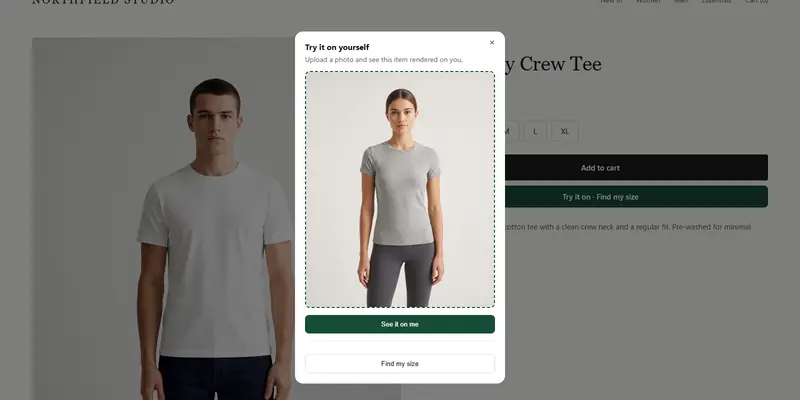
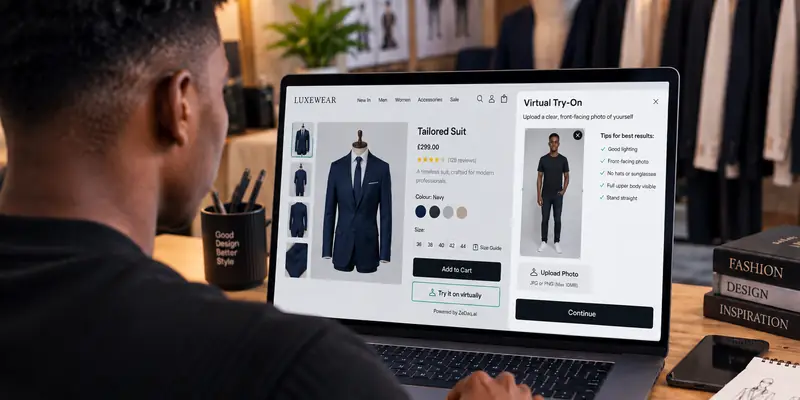
You don't need a big budget to begin. You need a plan, a store that is ready for new visitors, and good tracking. Before you send traffic, make sure shoppers can check fit, for example with a virtual try-on on your Shopify store.
Why start with micro creators?
Micro creators are people with smaller, focused audiences. They often fit a small brand better than a huge account.
Reasons they suit small brands:
- They often cost less, or accept product in exchange for posts.
- Their audience is usually specific, such as petite, modest or plus-size fashion.
- They can feel more personal than a large account.
Size alone doesn't decide quality. Look at who follows them, how people respond, and whether their style matches yours.
How do you choose the right creators?
Use a short checklist.
- Style match. Would they wear your clothes without changing their look?
- Audience match. Do their followers look like your customers, in size, location and taste?
- Real engagement. Read the comments. Are people talking about the clothes?
- Quality. Are their photos and videos clear and well lit?
- Professionalism. Do they reply, and do they keep their word?
Start with a list of about a dozen candidates and contact a few. Don't send the same message to everyone.
What should a gifting campaign include?
Gifting means sending free product with no guaranteed post. Be clear about what you hope for, but don't pressure.
Send:
- The garment, in a size that fits them. Ask their size first.
- A short note about your brand.
- A simple brief: what you'd love to see, any must-mention details, and the deadline if there is one.
- A trackable link or discount code.
Avoid scripts that sound fake. Let them speak in their own words.
How do you write a good creator brief?
Keep it to one page. Include:
- Who you are and who you sell to.
- The product and its key details, such as fabric and fit.
- What to show, for example how it looks worn and how the sizing runs.
- What to avoid, such as claims you can't support.
- Disclosure requirements, link or code and timing.
Give creators freedom. Strict scripts usually make worse content.
Do you have to disclose gifts and paid posts?
Yes. In the United States, the Federal Trade Commission explains that influencers and brands must clearly disclose their relationship. See the FTC's page on endorsements, influencers and reviews.
Other countries have their own rules, so check the regulator where your audience lives. This is general information, not legal advice. Ask creators to disclose clearly, and put that in your brief.
How do you build a lasting relationship with creators?
One-off posts fade quickly. Creators who like your clothes are worth keeping.
- Thank them publicly and privately.
- Share their content on your own channels, with their permission.
- Send early access to new drops.
- Ask for feedback on fit and quality, and act on it.
Good relationships often lead to repeat posts without extra cost.
How do you track whether a creator works?
Give each creator a unique link or code so you can see orders from them in Shopify. Check these:
- Orders and revenue from each code or link.
- Cost of the product and shipping you sent.
- Returns and size-related questions from those orders.
- Followers' comments and questions on the post.
Not every benefit shows up in a code. Some people see a post and buy later. Treat tracking as a guide, not a perfect count.
For a wider view of low-cost growth, read about running a Shopify clothing store on a small budget. To keep new visitors engaged after the first click, see Shopify email marketing for clothing brands.
How can you help creator-driven visitors choose the right size?
Creators send people to your product page, where fit doubts are common. The wearer in a video may be a different size from the viewer.
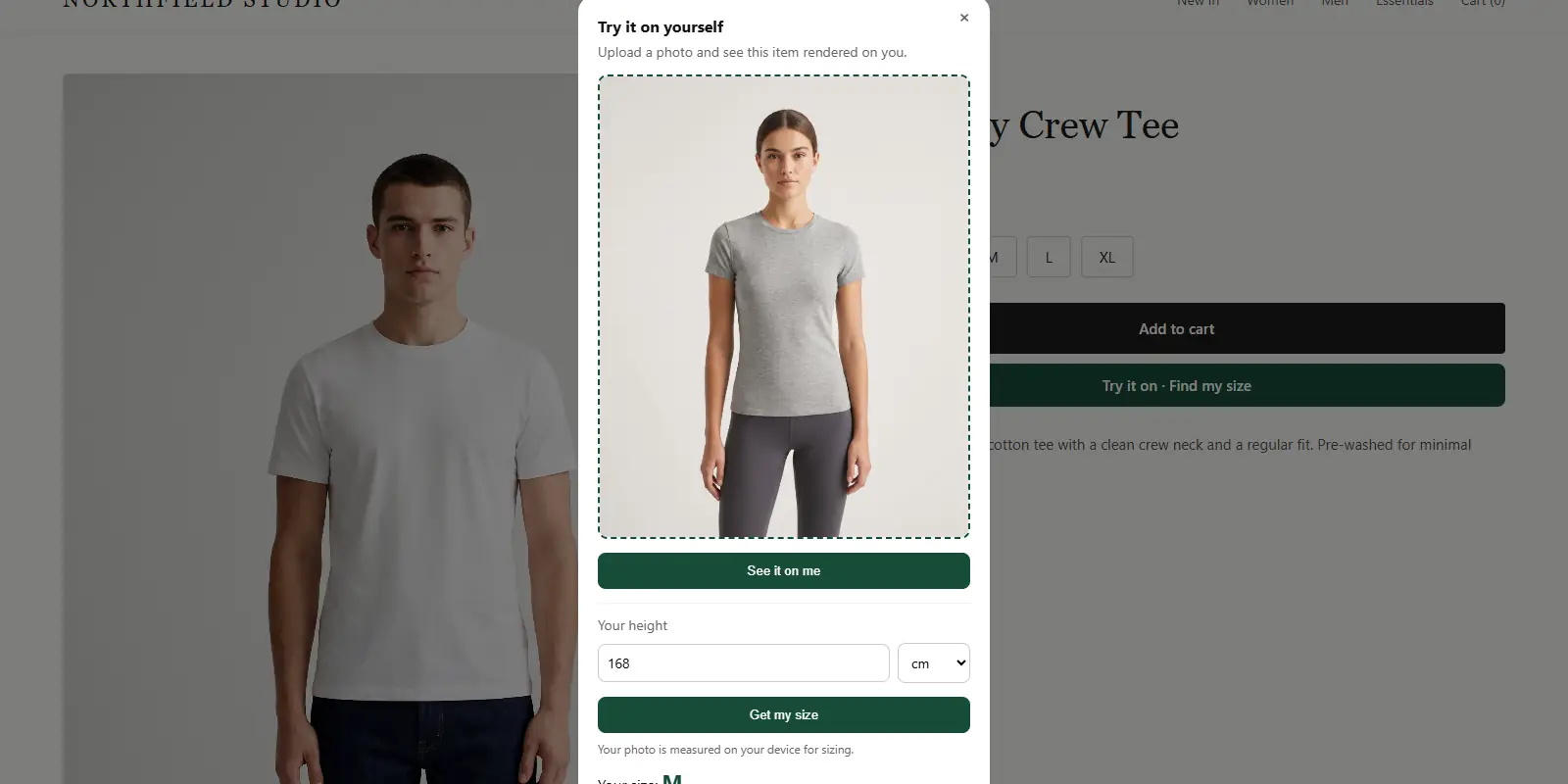
Ask creators to say their height and the size they wore. Add size guidance on the page. A size recommendation can also help: ZeDaq.ai suggests a size from a 30-second body scan matched to your own chart, and its Shopify app is available on the Shopify App Store.
For the shopper's view of a try-on, read about a virtual fitting room for clothing websites.
Get your store ready for creator traffic
FAQs
How many creators should a small brand start with?
Start with a few so you can learn and respond to each. Add more once you know what works.
Should I pay creators or send free products?
Both are common. Gifting costs product only, while paid posts guarantee content. Choose based on your budget and the creator's expectations.
What if a creator doesn't post?
With gifting, there is no guarantee. Be polite, follow up once, and focus on creators who respond.
Can virtual try-on help with influencer traffic?
It can give visitors a size suggestion and a view of the garment on themselves. We can't promise specific sales results.
Try ZeDaq.ai free
Virtual try-on and Find my size for your store, plus client, order and invoicing tools for tailors, in one subscription.