How to Write an About Page for a Clothing Brand
By the ZeDaq.ai team · · 4 min read
On this page
- What should a clothing brand about page include?
- How do you tell your founder story without rambling?
- How do you show your process and materials?
- How do you build trust about fit and returns?
- What tone and layout work best?
- What mistakes should you avoid on an about page?
- How do you check your about page before publishing?
A good clothing brand about page answers three questions fast: who makes the clothes, why they exist, and why a stranger should trust the order will fit and arrive. Lead with a plain statement of what you sell and who it is for, then add your story, your process and your policies.
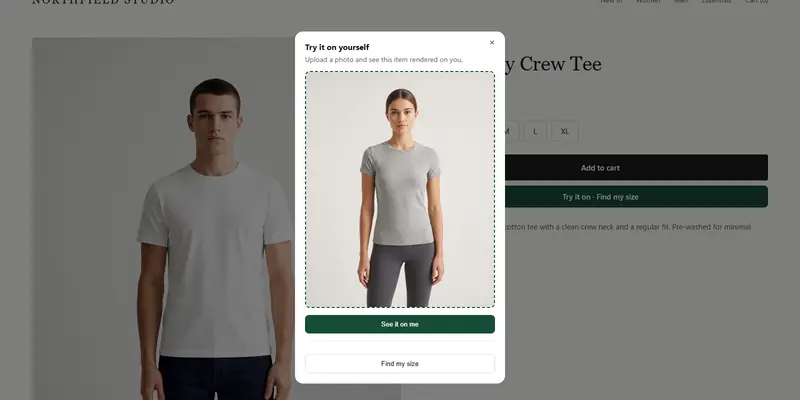
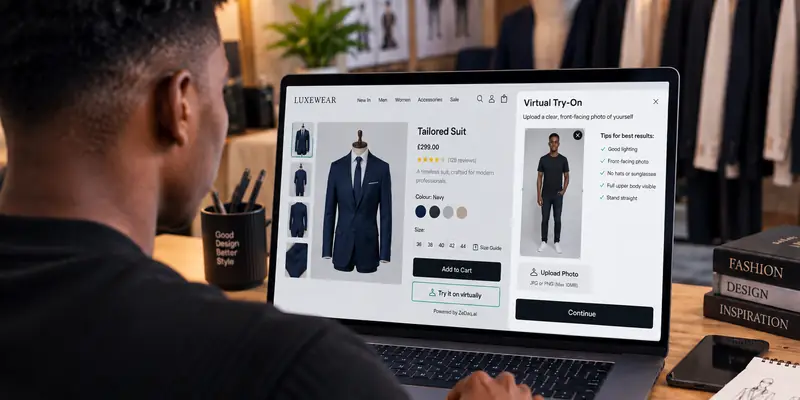
Shoppers often read the about page when they are close to buying. If you also want to reduce fit doubt, a tool such as virtual try-on for your Shopify store can sit next to the story you tell here.
What should a clothing brand about page include?
Keep it to the parts a buyer actually wants. A page that mixes all of these in a clear order works well:
- One-sentence summary. What you make, for whom, and where.
- Your reason for starting. The real problem that led you to make this clothing.
- How the clothes are made. Fabric choices, who sews them, and where.
- What a customer can expect. Fit help, shipping and returns, in short form.
- A way to contact you. An email address or a form.
Cut anything that does not help a shopper decide. Long timelines of your business history rarely do.
How do you tell your founder story without rambling?
Write it as a short scene with a problem, a decision and a result. For example: you could not find a well-cut dress in your size, so you learned pattern making and started a small line.
Use first person ("I" or "we") and short sentences. Name real details, such as the city you work in or the fabric you chose, instead of general claims like "quality you can feel".
One photo of you or your team helps. It shows the shopper that a real person will pack the order.
How do you show your process and materials?
Shoppers trust specifics. Describe one or two steps of how a garment is made, and say what you do to check quality.
A simple structure is:
- Where the fabric comes from.
- Who cuts and sews, and where.
- How you check each piece before shipping.
Only claim what you can prove. If you cannot name a certification or a mill, leave it out rather than imply one.
How do you build trust about fit and returns?
Fit is the biggest worry for online clothing buyers, so address it directly. Link to your size guide and explain how you handle returns, using plain language. Your shipping policy for a clothing store and your returns terms should match what the about page says.
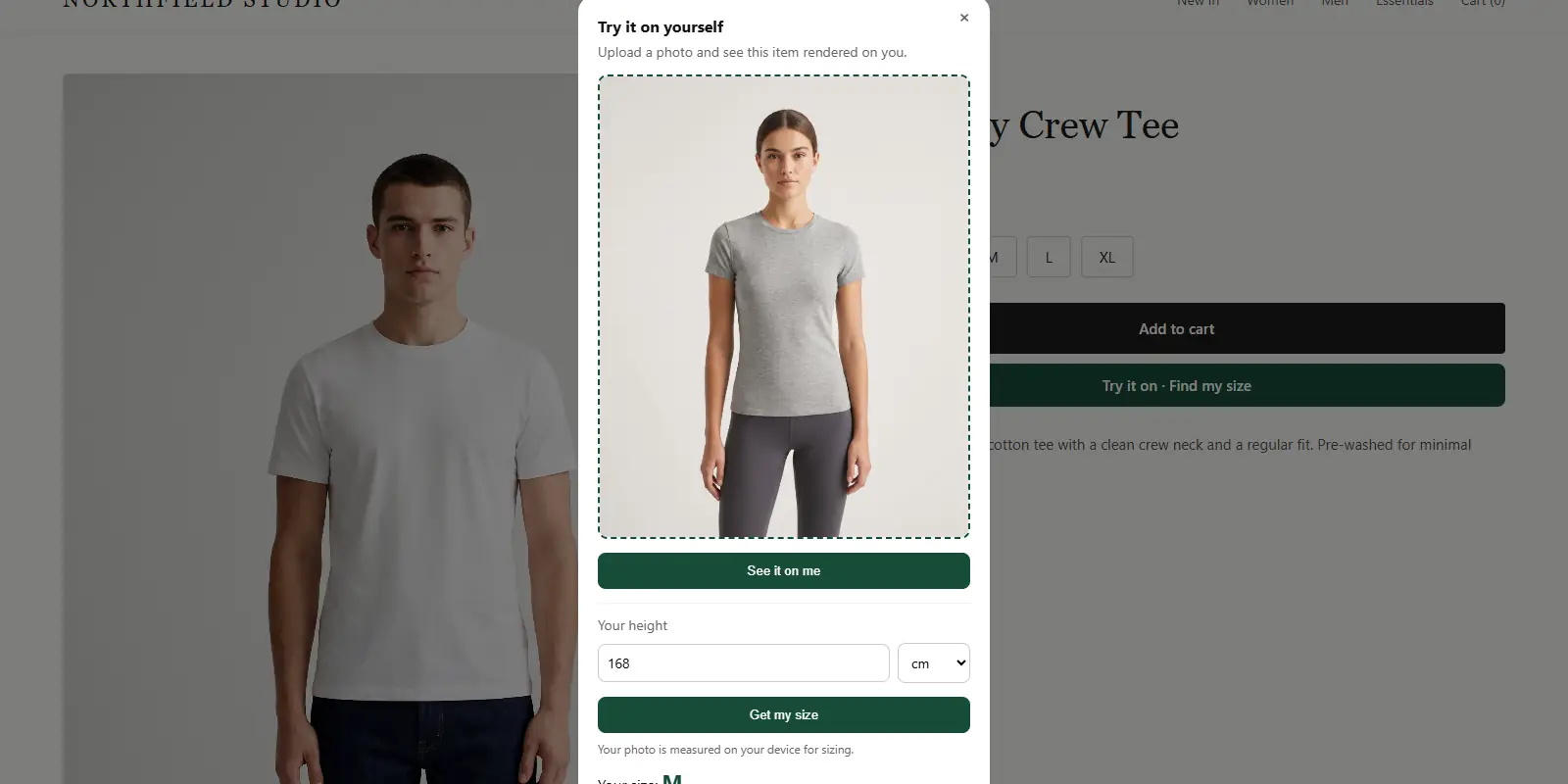
If you offer fit help, say how it works in one sentence. For example, ZeDaq.ai lets a shopper upload a photo and height and get a size from your own size chart. Keep that to a short mention, not a sales pitch.
For ideas on returns terms that protect your margins, see returns policy ideas for fashion stores.
What tone and layout work best?
Write the way you would talk to a customer in a fitting room: warm, direct and short. Avoid hype words and long paragraphs.
Layout tips:
- Put the one-sentence summary above the fold on a phone.
- Use short sections with clear headings.
- Add two to four real photos, not stock images.
- Finish with a link to your best-selling collection.
If you run campaigns, send traffic to a focused page instead of the about page. The guide to a Shopify landing page for a fashion campaign covers that.
What mistakes should you avoid on an about page?
Most weak about pages share the same few problems:
- Starting with "Welcome to our website". Open with what you sell instead.
- Talking only about yourself. Tie each story point back to what the shopper gets.
- Using vague words. "Premium", "unique" and "high quality" say nothing. Name the fabric, the cut or the maker.
- Hiding contact details. A shopper with a question about fit or delivery should find you in one click.
- Letting it go stale. If you moved studios or changed suppliers, update the page.
Also avoid claims you cannot support, such as "ethical" or "sustainable", unless you can explain exactly what you mean and show how. Specific, modest statements read as more honest than large ones.
How do you check your about page before publishing?
Run through this checklist:
- The first sentence says what you sell and for whom.
- The founder story fits in under five short paragraphs.
- Every claim about materials or making is true and provable.
- Fit, shipping and returns each have a link.
- There is a way to contact you.
- You read it on a phone.
Ask someone who has never seen your brand to read it and tell you what you sell. If they hesitate, rewrite the opening.
Help shoppers pick the right size on your store
FAQs
How long should a clothing brand about page be?
Short enough to read on a phone in a minute or two, with a few photos. Say what matters and link out for details like sizing and returns.
Should the about page mention my prices?
Usually not. Keep prices on product pages, and use the about page to explain why you make what you make.
Do I need a photo of myself?
It is not required, but a real photo of you or your team makes the brand feel more trustworthy. Use a clear, well-lit picture.
How often should I update it?
Review it a couple of times a year, or whenever your process, location or policies change. Add new collections or team changes as they happen.
Try ZeDaq.ai free
Virtual try-on and Find my size for your store, plus client, order and invoicing tools for tailors, in one subscription.