How to Sell Streetwear on Shopify
By the ZeDaq.ai team · · 4 min read
On this page
To sell streetwear on Shopify, build your store around drops: small, dated releases with clear product pages, honest fit notes and a returns policy you can afford. Streetwear shoppers buy on timing and identity, so the store has to be fast, consistent and clear about sizing.
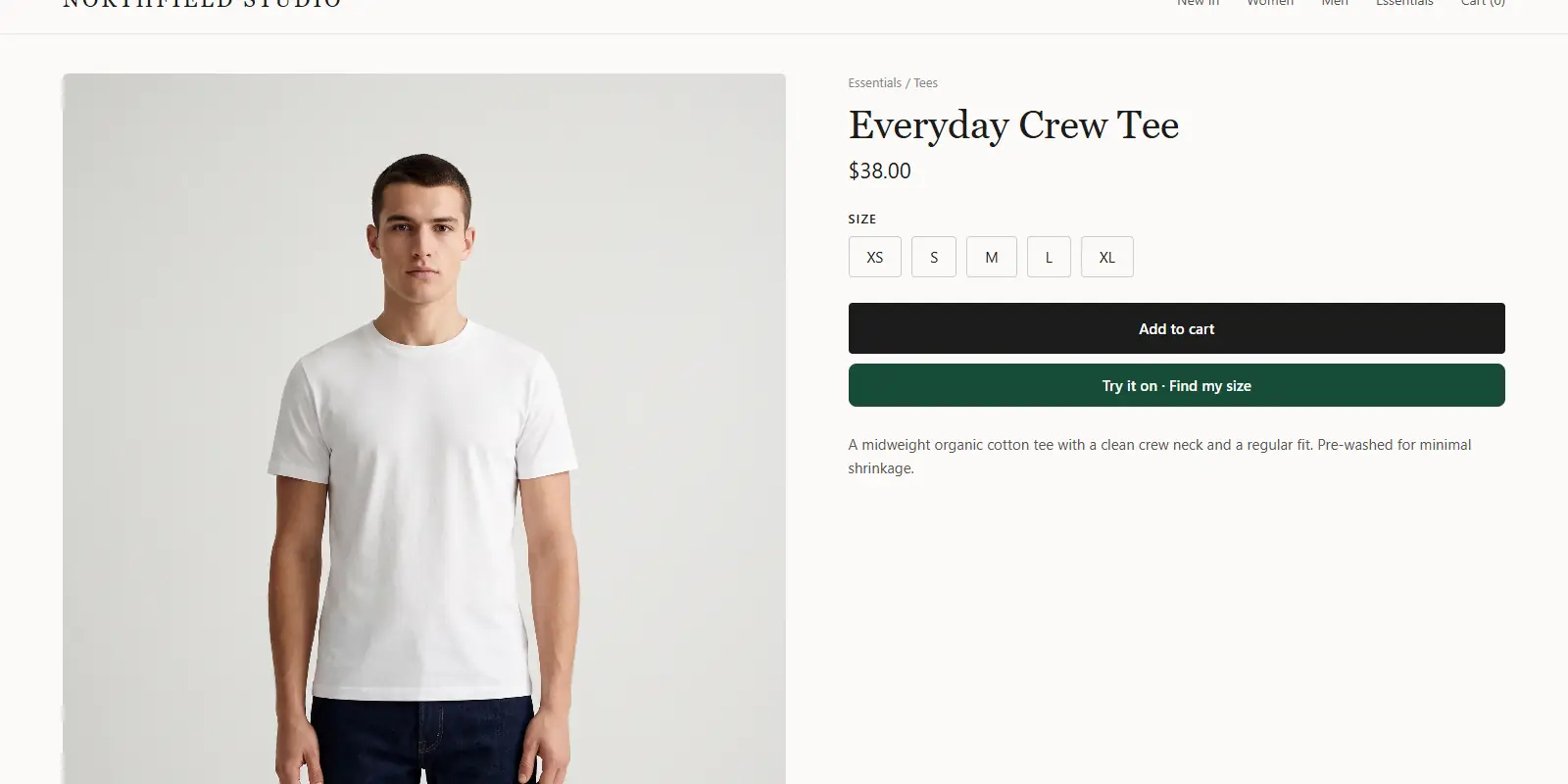
Fit is the weak point. Oversized hoodies, boxy tees and cropped cuts make a normal size chart confusing, which is why a virtual try-on setup for Shopify is worth planning from day one.
How should you structure a streetwear store?
Keep the store small and focused. A streetwear brand usually sells on a few strong products, not a wide catalog.
A simple structure works well:
- Home page: the current drop, with a clear date and a link to the product.
- Collections: one per drop, plus a permanent collection for core pieces.
- Archive: sold-out items stay visible so new visitors see your history.
- Lookbook: photos of real people wearing the pieces.
If you are still picking a look, the guide to Shopify themes for streetwear brands compares layouts that suit drops.
How do you run a limited drop?
A drop is a product release with a start time, a limited quantity and a reason to buy now.
- Announce the date early. Use your email list and social accounts, and ask visitors to subscribe.
- Set the quantity before launch. Decide how many units of each size you will make, and enter exactly that stock.
- Hide the product until launch, or show it with a countdown and an unavailable button, depending on your theme and apps.
- Test checkout with a real order the day before.
- Mark sold-out sizes clearly and offer a back-in-stock sign-up.
Check what your theme and apps support before promising any feature, such as a countdown or a waitlist.
How do you handle oversized fits and sizing?
Streetwear sizing confuses shoppers because a size medium may be meant to look loose. The label alone does not tell them how the garment will sit.
Give shoppers three things on every product page:
- Body measurements per size, not only garment widths.
- A fit note such as "cut oversized, size down for a regular fit".
- A model line that names the model's height and the size worn.
Shoppers who want a loose fit can choose a size up, so say which way each piece runs. The same garment can be boxy on one body and tight across the shoulders on another.
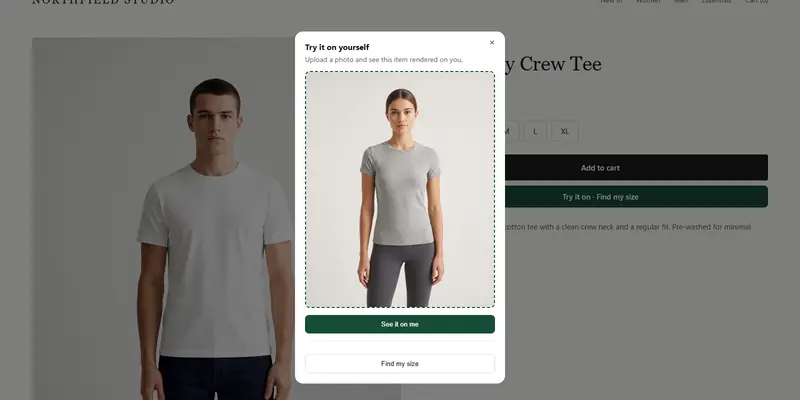
Try a garment on yourself
Try it on yourself
Live renderUpload a photo, pick a piece, see it rendered on you.
Pick something to try on
Where does virtual try-on help?
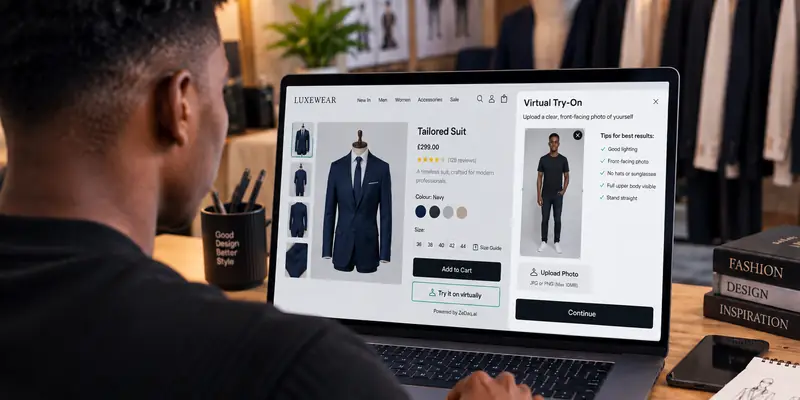
Virtual try-on lets a shopper see the store's real garment on their own body from one photo. For streetwear, that answers the question a size chart cannot: how loose will this look on me?
ZeDaq.ai is available as a Shopify app. It also gives a size recommendation from a 30-second body scan, matched to the size chart you enter. You can see how this works for loose cuts in virtual try-on for streetwear and hoodies.
What returns policy fits a drop-based brand?
Limited stock makes returns costly, because a returned hoodie may arrive after the drop is over. Decide your rules before launch and put them on the product page.
Common choices include:
- Exchanges for size, with return shipping paid by the customer.
- A short, fixed return window.
- Store credit instead of refunds on final-sale items, where the law of your market allows it.
Check your local consumer law before you publish a policy. For ideas that protect your margin without upsetting buyers, read returns policy ideas for fashion stores.
What should you photograph for a streetwear product?
Streetwear is sold on how it looks in motion, so one flat photo is not enough. Shoot each piece in three ways:
- Flat or on a hanger, so the cut and details are clear.
- On a model, with the model's height and size noted.
- Close-ups of prints, tags, stitching and fabric weight.
Use the same background and lighting across a drop so the collection looks like one release. Keep the first image a clean product shot, since that is what appears in search and social previews.
How do you grow after the first drop?
Treat each drop as a way to build your list. Collect emails at checkout and on the home page, then tell buyers about the next release before the public hears.
Post photos from customers, answer sizing questions in comments, and note which sizes sell out first. That data tells you how to split the next production run.
Other brands handle sizing with different categories. Compare how a kids clothing store on Shopify and an activewear store approach it.
Show shoppers how your pieces fit
FAQs
Do I need a special theme to sell streetwear on Shopify?
No. Any Shopify theme can work if it loads quickly, shows large photos and is easy to use on a phone. Choose one you can keep consistent across drops.
How many products should I launch with?
Start with a few pieces you can make well. A small drop is easier to photograph, size and ship than a large one.
How do I stop bots from buying the whole drop?
Check what your theme, apps and Shopify settings offer for purchase limits. Test the limit on a small order before launch.
Can I show how oversized items fit?
Yes. Add a fit note and a model line, and consider a try-on tool so shoppers can see the garment on their own body.
Try ZeDaq.ai free
Virtual try-on and Find my size for your store, plus client, order and invoicing tools for tailors, in one subscription.