How to Sell Handmade Clothing on Shopify
By the ZeDaq.ai team · · 4 min read
On this page
- How should you set up a handmade clothing store?
- How do you price handmade clothing?
- How do you handle made-to-order and lead times?
- How do you solve sizing for handmade pieces?
- What photos and descriptions do handmade clothes need?
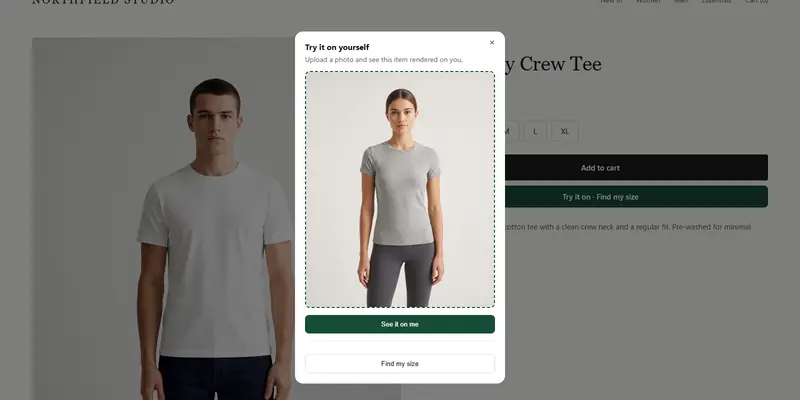
- What does try-on add for a maker brand?
- How do you build trust with first-time buyers?
To sell handmade clothing on Shopify, set up a clean store, explain how and when each piece is made, price for your real time and give shoppers clear sizing. Handmade buyers pay for craft, so your page must show the craft and remove doubt about fit and delivery.
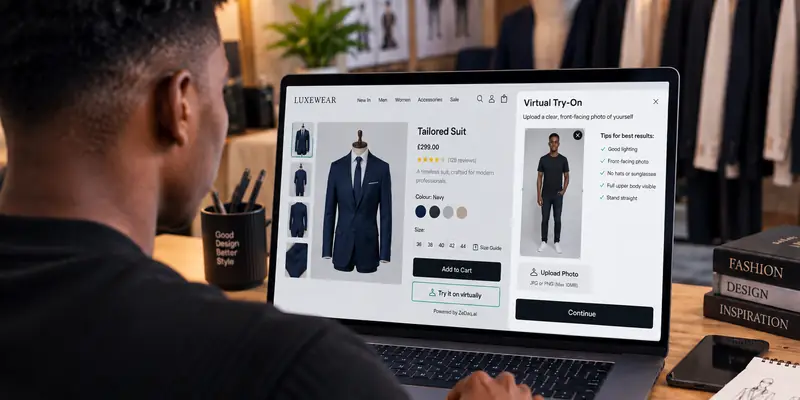
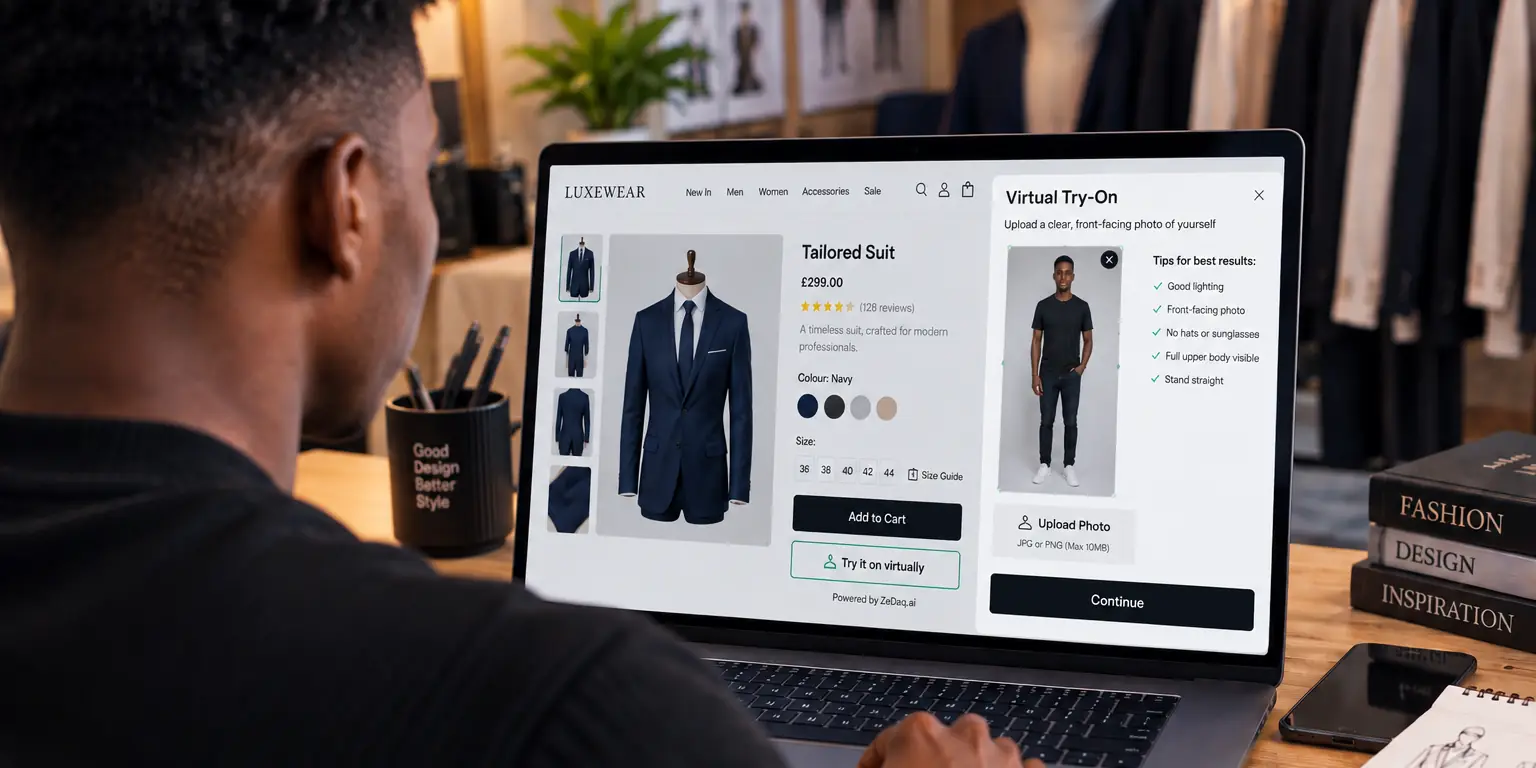
This guide is for makers who sew, knit or tailor their own pieces. If you want shoppers to see the garment on themselves, you can add virtual try-on to Shopify once the basics are in place.
How should you set up a handmade clothing store?
Keep the store simple, so the work stands out.
- Choose one clear theme and style. Plain layouts let your photos lead.
- Create collections by garment or occasion. Shoppers browse by what they need.
- Add an About page. Say who makes the clothes, where and how.
- Write policies early. Shipping, returns and custom-order terms should be easy to find.
Do not fill the store with options. A small, well-described range sells better than a crowded catalog.
How do you price handmade clothing?
Price from your costs and your time, not from what mass-made clothing costs. Track materials, labor, packaging, payment fees and shipping.
A simple method:
- Add up material cost for one piece.
- Add the hours you spend, at an hourly rate you would accept for the work.
- Add packaging and platform fees.
- Add a margin so you can reinvest.
Check the result against similar maker brands. If your price is above theirs, make sure your page explains why: materials, small batches or local production.
How do you handle made-to-order and lead times?
Be exact about timing. Shoppers accept waiting for handmade work, but not surprises.
- State the production time on the product page, separate from shipping time.
- Say whether an item is ready to ship or made to order.
- Limit how many orders you take, so you can keep your promise.
- Send an update when you start and when you ship.
Many makers also open and close order windows. If you do, show the dates clearly.
How do you solve sizing for handmade pieces?
Sizing is where handmade sellers lose the most trust. You may not follow standard sizes, and every batch can differ slightly.
Publish body measurements for each size, not only garment measurements. Then add a fit note, such as "relaxed through the waist". The guide to selling lingerie on Shopify shows how a fit-sensitive category handles this.
Add your own size chart to a size recommendation tool, so shoppers get a size in your labels. With ZeDaq.ai, the shopper uploads one photo and enters their height, and the scan recommends a size from your chart. It uses your chart's labels and sizes up to the largest relevant measurement.
If you offer custom sizes, say how the shopper submits measurements and what the extra time is.
What photos and descriptions do handmade clothes need?
Show the craft, not only the finished piece.
- Close-ups of stitching, fabric and finishing.
- The garment on at least one real person, with their height and size.
- Fabric details, including where it came from and how it feels.
- Care instructions in plain words.
Vintage and secondhand sellers face the same need for honest detail. See selling vintage clothing on Shopify for how they describe condition.
What does try-on add for a maker brand?
A short step-by-step shows how it works with ZeDaq.ai:
- Install the ZeDaq.ai Shopify app.
- Add your size chart for each garment type.
- Turn on the app embed and test on your own products.
Shoppers then see your real garment on their body and can ask for a size. For small batches, the Free plan includes 3 try-ons a month, 3 measurements and 5 invoices, which is enough to test. Paid plans start with Micro at $1 for the first month, then $14 a month, on monthly plans for a store's first paid plan. For a comparison of tools, read our guide to the best AI virtual try-on apps for Shopify.
How do you build trust with first-time buyers?
Handmade shoppers often buy from small brands they have never heard of. Reduce the risk in plain ways.
- Show your face, your workspace and your process.
- Publish clear shipping, exchange and contact details.
- Answer messages quickly and keep a record of common questions.
- Share care instructions and fabric sources.
A short FAQ on your store saves you from answering the same questions again and again.
Give shoppers a size and a preview
FAQs
Do I need a special Shopify plan for handmade clothing?
No special category exists. Choose a Shopify plan that fits your volume, and check Shopify's current plan details on its own site.
How do I avoid overselling a one-off piece?
Set the inventory to one for each unique item. For made-to-order items, cap your orders per window.
Should I accept returns on handmade items?
That is your decision. Be clear about it, and consider an exchange policy for size problems.
Can I use try-on for custom-made pieces?
Try-on works with the garment images on your product page. For fully custom work, give clear measurement instructions as well.
Try ZeDaq.ai free
Virtual try-on and Find my size for your store, plus client, order and invoicing tools for tailors, in one subscription.