
CAC Business Name or Limited Company for a Fashion Brand?
By the ZeDaq.ai team · · 7 min read
On this page
- What is the difference between a business name and a company?
- How do you register a business name with CAC?
- How do you register a limited company with CAC?
- How do the two options compare for a fashion brand?
- Which option suits which kind of fashion brand?
- What questions should you ask before you choose?
- What should you do after registering?
- How can ZeDaq.ai help once your brand is registered?
For most new fashion brands, a CAC business name is the simpler first registration, while a limited company suits brands that plan to take on partners or investors, or grow into a larger operation. Both are registered with the Corporate Affairs Commission (CAC), and the right choice depends on who owns the brand, how big you plan to grow and how much risk you carry.
This guide explains what the CAC itself says about each option, then gives you a practical way to decide. Registration is one part of building a brand customers trust. The other is showing them how your clothes fit before they buy, which our guide to virtual try-on for African fashion brands covers.
This is general information, not legal or tax advice. Speak with a lawyer, chartered accountant or accredited agent before you register.
What is the difference between a business name and a company?
The Corporate Affairs Commission registers three kinds of entity: companies, business names and incorporated trustees. Fashion brands usually choose between the first two.
- A business name registers the name you trade under. It suits a sole designer or a small partnership selling under a brand name such as "Adunni Couture."
- A company is a separate kind of registration with its own rules on directors, shares and filings. CAC lists company categories as private or public, and limited or unlimited. Most small fashion brands that choose a company look at a private company limited by shares, often written as "Ltd."
The legal effects of each, especially who is responsible for the brand's debts, are the main reason owners choose one over the other. Ask a lawyer to explain how personal responsibility differs between the two for your situation before you decide.
How do you register a business name with CAC?
CAC's business name registration page sets out three steps:
- Check the name is available using CAC's name search.
- Complete the pre-registration form and upload the relevant documents on the Company Registration Portal.
- Pay the filing fee shown in CAC's fee schedule.
CAC says registration is now end to end on the Company Registration Portal, and you receive an electronic Certificate of Registration. CAC also says individuals and proprietors can register business names without the services of a legal practitioner, chartered accountant or chartered secretary.
That makes a business name the registration many designers can complete themselves, often on a phone, between fittings.
How do you register a limited company with CAC?
CAC's company registration page lists five steps for registering a private or public company:
- Run a name search to check your name is unique.
- Reserve the name.
- Submit your application by completing the digital pre-registration and uploading supporting documents on the Company Registration Portal.
- Pay the filing fees and stamp duty through the online payment gateway.
- Collect your electronic Certificate and Certified Extract from the portal.
Both routes start on the same portal, icrp.cac.gov.ng. A company application asks for more information, such as details of directors and shareholders, so it takes more preparation.
How do the two options compare for a fashion brand?
The table below compares the practical side. Check fees, documents and ongoing filing duties on the CAC site before you start, because they change.
| Question | Business name | Limited company |
|---|---|---|
| Who registers it? | CAC | CAC |
| Where do you apply? | Company Registration Portal | Company Registration Portal |
| What do you receive? | Electronic Certificate of Registration | Electronic Certificate and Certified Extract |
| Can you register without a lawyer? | CAC says individuals and proprietors can | Check current CAC guidance |
| Who usually picks it? | Solo designers, small boutiques, side businesses | Brands with co-founders, investors or bigger plans |
| What extra decisions are needed? | Few beyond the name | Directors, shareholders and share structure |
| Who should explain liability? | A lawyer | A lawyer |
Use the table to prepare questions, not as a final answer.
Which option suits which kind of fashion brand?
Picture four common Nigerian fashion businesses.
The solo Instagram designer in Lagos
Funke sews Ankara sets and Owambe outfits from her home studio in Surulere. She sells through Instagram and WhatsApp and handles every order herself. She wants a registration that lets her open a business bank account and look professional to customers. A business name often fits this stage because it's quick to set up.
The two friends starting a ready-to-wear label in Abuja
Chioma and Halima are pooling money to launch a ready-to-wear line. They need clear terms on who owns what share and what happens if one leaves. A company, with shareholders and directors recorded, gives them a structure to write that down. They should also sign a shareholders' agreement with a lawyer's help.
The bridal and Aso-ebi house in Ibadan
Kemi runs a busy bridal studio with several tailors. She takes large deposits for Aso-ebi orders and buys fabric in bulk. Her risk is higher because she handles more money and more staff. She should ask a lawyer whether a company structure protects her better and what that would mean in yearly filings.
Notice that none of these owners chose based on what a friend did. Each looked at ownership, risk and growth plans first, then asked an adviser to confirm the choice.
The brand selling to diaspora customers
Tobi sells native wear to buyers in London and Houston. Overseas partners, payment providers and wholesale buyers sometimes ask for company documents. He should check what each partner requires before choosing, rather than guessing.
What questions should you ask before you choose?
Write your answers down and take them to your adviser.
- Who owns the brand? One person, a family or several partners?
- Will you raise money? Investors usually expect a company with shares.
- How much risk do you carry? Think about deposits, fabric credit, staff and rent.
- Who are your buyers? Some corporate clients and partners may prefer a company.
- How much admin can you handle? A company usually involves more records and filings.
- Do you plan to export? Exporting may need extra registrations, as our guide to NEPC registration explains.
- What does your bank need? Ask your bank what documents it needs to open a business account for each type.
You can also start with a business name and move to a company later as the brand grows. Ask your adviser how that change works and what it costs before you plan around it.
What should you do after registering?
Registration is the first step, not the last. Once your certificate arrives:
- Open a business bank account in the registered name.
- Sort out your tax registration. Check the federal tax authority's official site at nrs.gov.ng for current rules.
- Protect your brand name and logo. CAC registration and trademark registration are handled by different offices. Our guide to registering a fashion trademark in Nigeria explains the difference.
- Handle customer data properly. Measurements, phone numbers and addresses are personal information. Our guide to customer data under the Nigeria Data Protection Act covers what to put in place.
- Set up your business tools. Invoicing, client records and order tracking save time from day one. Our guide to the first tools to set up suggests where to start.
- Keep your certificate safe. Save the electronic certificate in more than one place, such as email and cloud storage.
How can ZeDaq.ai help once your brand is registered?
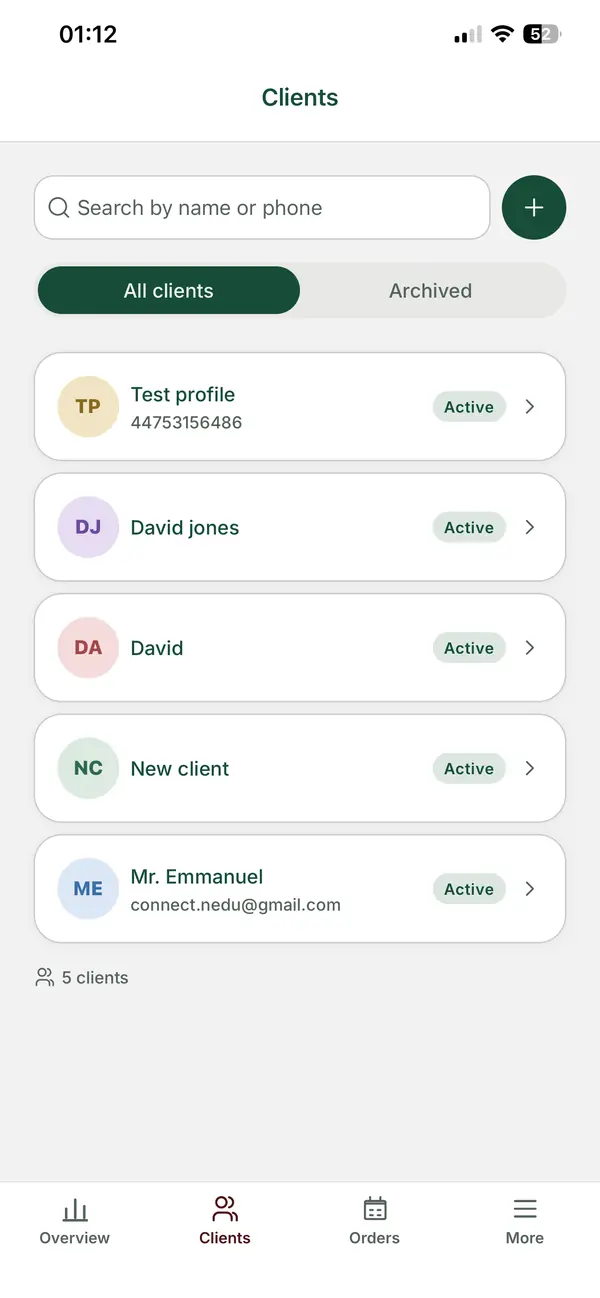
Once your brand is official, customers and partners expect professional paperwork. ZeDaq.ai gives fashion brands and tailors a client CRM, measurements collected through a link the client opens on their phone, orders with a delivery calendar, and invoices in multiple currencies, including NGN, GBP and USD. It runs in the ZeDaq Business app for iOS and Android.
For online stores, ZeDaq.ai adds virtual try-on and size recommendations from your own size chart. The Free plan includes 3 try-ons, 3 measurements and 5 invoices a month. Paid plans start with Micro at $14 a month, and every paid plan has a 3-day free trial with no card required.
Try ZeDaq.ai free for 3 days
FAQs
Can I register a business name myself?
CAC says individuals and proprietors can register business names without a legal practitioner, chartered accountant or chartered secretary. You apply on the Company Registration Portal.
Can I check if my brand name is taken before registering?
Yes. CAC offers a public search on its registration portal. Search for your preferred name and a few close spellings before you commit.
Does a business name stop others from copying my brand?
CAC registration and trademark protection are separate. To protect a brand name or logo as a mark, look into trademark registration with the trademarks registry.
Can I change from a business name to a company later?
Many brands start small and restructure as they grow. Ask a lawyer or accredited agent how the change works and what it involves before planning around it.
Where do I find current CAC fees?
CAC publishes its fees on the official website. Check them on the day you apply, because fees can change.
Try ZeDaq.ai free
Virtual try-on and Find my size for your store, plus client, order and invoicing tools for tailors, in one subscription.

