Aso Ebi Etiquette: What Online Sellers Should Explain to Guests
By the ZeDaq.ai team · · 4 min read
On this page
Aso ebi etiquette comes down to a few shared courtesies: buy the fabric the family chose, order before the deadline, give accurate measurements, sew a style that suits the occasion and arrive wearing the cloth. Online sellers should explain each of these in plain words, because many guests are buying for the first time.
Aso ebi is a Yoruba term often translated as "family cloth". Guests at a celebration wear matching fabric to show they belong to the couple's circle. This guide is for sellers who serve those guests, especially diaspora buyers who may not know local customs. For the wider picture on selling to African fashion customers, see our guide to virtual try-on for African fashion brands.
Customs differ between families, regions and communities. Treat this as a starting point and defer to what the celebrant's family asks.
What is aso ebi, in one paragraph guests can read?
Put a short explanation at the top of your aso ebi product page. For example:
"Aso ebi is matching cloth chosen by the celebrant's family. Guests who wear it show support for the event. The family sets the fabric and color, and you choose the style that suits you."
Keep it friendly and short. A guest who understands the purpose is more likely to order on time and in the right fabric.
Who decides the fabric and color?
The celebrating family, or the person they appoint, usually chooses the cloth. Guests do not choose their own color.
Tell buyers three things:
- Where the choice comes from. Name the event or the organizer if they have given permission.
- Which exact cloth to order. Use the product title, a color name and a clear photo.
- Who to ask if unsure. Give the organizer's contact route, or yours.
Never let guests guess. A near-match color causes more upset than a late order.
When should guests order?
Tell guests the order deadline early, in the product description and again at checkout.
Make three dates visible:
- The last day to order.
- The last day to send measurements.
- The expected delivery date.
Cloth often has to be sewn, and tailors are busy before big events. Our guide to selling aso ebi fabric bundles to groups explains how to organize group orders around those dates.
What should guests know about sizing?
Many guests buy cloth and then give it to a tailor, but some buy ready-made. Explain which one you sell.
If you sell sewn outfits, say clearly:
- Which measurements you need.
- How to measure, with a short guide or video.
- Whether you offer alterations, and until when.
- Whether the style can be changed after sewing starts.
Ask guests to measure over thin clothing and to send numbers early. Ask them to say if their size may change before the event.
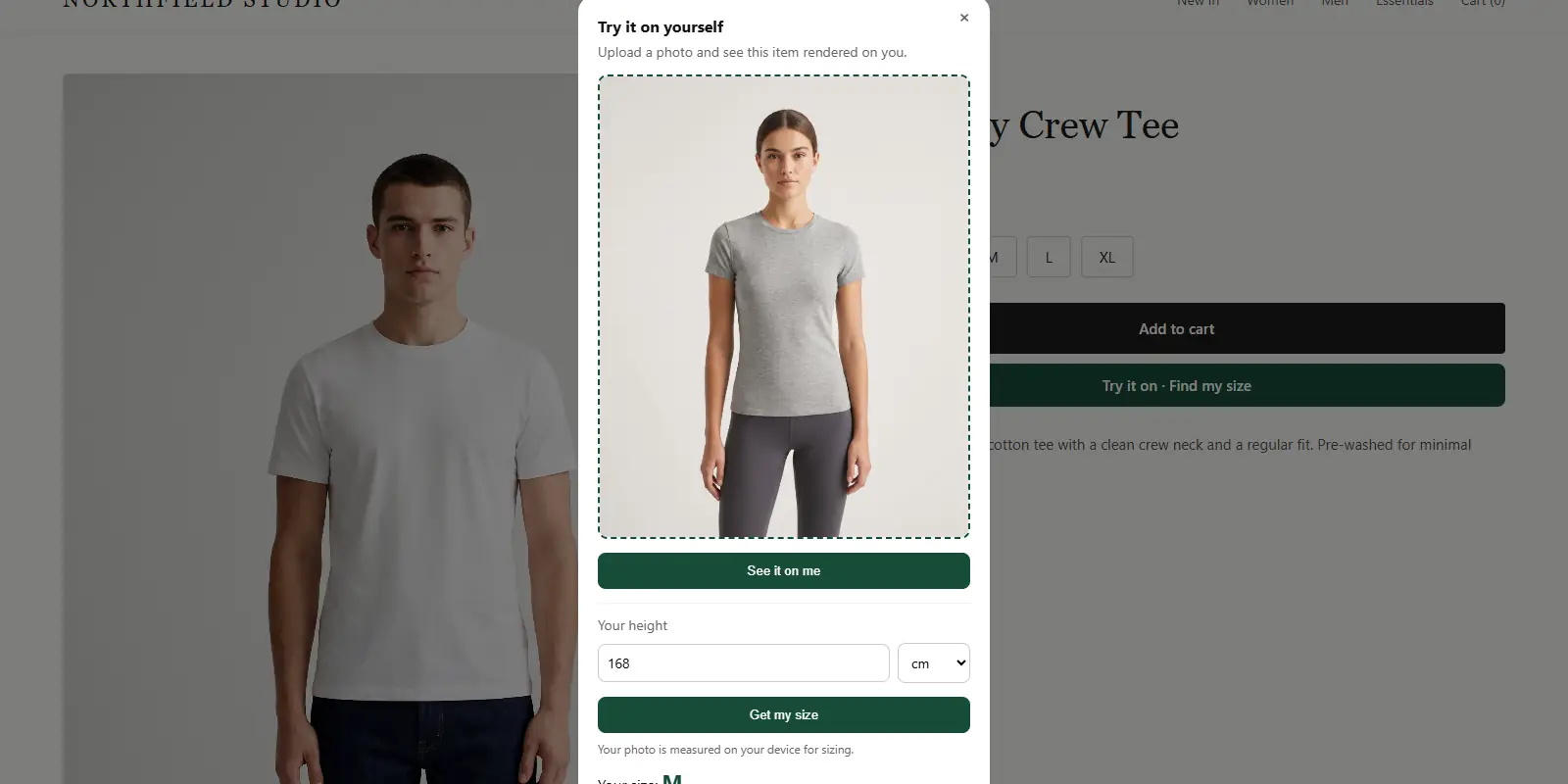
If you sell online to guests overseas, a size recommendation can reduce guesswork. ZeDaq.ai offers one from a 30-second body scan, matched to the store's own size chart. See our post on Nigerian traditional wedding attire for online sellers for how outfits differ by style.
What styling rules should you explain?
Etiquette often covers how the outfit looks, not just what it is made of. Guests may wonder:
- Is the style free? Usually the guest picks their own, but the family may ask for a certain shape or modesty level.
- Can I add my own accessories? Often yes, but check with the family.
- Do I wear it to every event? Weddings can have several events. Ask which cloth is for which day.
Pass on what the organizer tells you, and tell guests when you do not know.
Why does the guest have to pay promptly?
Cloth for a group is often bought in one batch. Late payments slow everyone else.
Explain this kindly:
- State the payment deadline.
- Say what happens after it passes.
- List the methods you accept.
To set a fair price for each piece, read our guide on how to price aso ebi orders. Share your price breakdown so guests understand what they are paying for.
What if a guest's plans change?
Life happens, and guests sometimes cannot attend. Write your policy before anyone asks.
Say whether you accept cancellations, and until when. Explain what happens to cloth that has already been cut or sewn. Be firm but polite: custom work cannot always be resold, so be honest about what you can refund. A clear rule at checkout prevents awkward messages later.
How do you write this as a short guest guide?
Turn the points above into a one-page checklist and place it near the buy button:
- Order the exact cloth the family chose.
- Order before the stated deadline.
- Send accurate measurements.
- Ask before changing the style or color.
- Keep your receipt and delivery dates.
- Contact the seller early if anything changes.
A short checklist reduces repeat questions and keeps tone respectful.
Make group fittings easier for your guests
FAQs
What does aso ebi mean?
It is a Yoruba term often translated as "family cloth". Guests wear matching fabric chosen by the celebrant's family.
Is aso ebi compulsory for guests?
Customs vary, so guests should ask the family. Sellers should not pressure anyone to buy.
Can guests choose a different color?
Usually no. The family chooses the fabric and color so the group looks matched.
Who should answer guests' questions about the event?
The organizer or family knows the details. Sellers should point guests to them for anything the seller cannot confirm.
Try ZeDaq.ai free
Virtual try-on and Find my size for your store, plus client, order and invoicing tools for tailors, in one subscription.

