Tall Sizes for Women: Which Lengths to Check
By the ZeDaq.ai team · · 5 min read
On this page
Tall sizes for women add length, not width, so the lengths to check are inseam, sleeve, torso and hem. Measure those four on your own body, then compare them to the garment's listed lengths before you order.
Standard sizes are built around an average height, and brands set that height differently. This guide shows which lengths matter on each garment, and how stores can help tall shoppers with better size recommendation for fashion stores.
What does a tall size actually change?
A tall size keeps the same chest, waist and hip as the regular size, then lengthens the parts that run vertically. Think of it as the same garment, stretched.
The lengths that usually change are:
- Trouser and jeans inseam.
- Sleeve length on shirts, jackets and knitwear.
- Body length on tops, tunics and dresses.
- The distance from shoulder to waist (torso length) on dresses and jumpsuits.
Brands do not share one definition of "tall", so always read the brand's own chart. Treat the label as a hint, not a guarantee.
Which lengths should you measure first?
Measure these with a soft tape and a friend if you can. Wear fitted clothes and stand straight.
- Inseam: from the crotch seam down to where you want the hem to end.
- Sleeve: from the shoulder point, along a slightly bent arm, to your wrist bone.
- Torso: from the base of your neck, down your back, to your natural waist.
- Dress length: from the shoulder, past your waist, to where you want the hem.
Write the numbers down once and reuse them. Many tall shoppers keep them in a phone note.
Try the demo to see a garment on your own photo
Try it on yourself
Live renderUpload a photo, pick a piece, see it rendered on you.
Pick something to try on
How do you pick tall jeans and trousers?
Jeans length is the number tall shoppers miss most. Compare your inseam to the listed inseam, and add room if you wear heels or want a longer, stacked hem.
Also check the rise, which is the distance from crotch to waistband. A long torso can make a regular rise feel low. If a brand lists rise, pick the longer option for a long torso.
What about tops, sleeves and long torsos?
Tops fail tall shoppers in two ways: sleeves that stop above the wrist and bodies that ride up when you lift your arms. For long torso tops, look for a body length that sits well below the hip bone.
Cropped styles are the risky ones. A top that is cropped on a model may land at the midriff on you, so check the listed body length, not just the photo.
Fit also changes by age and growth stage. If you shop for a growing teen, the guide to teen sizes versus adult sizes explains when to move up.
How can stores help tall shoppers?
Stores can list lengths, not only widths. A chart that shows inseam, sleeve and body length for each size lets tall shoppers compare without guessing.
Useful additions for your product pages:
- Inseam and sleeve length in each size row.
- The model's height and the size she wears.
- A short fit note such as "runs short in the torso".
- Separate tall sizes or a clear statement that you do not offer them.
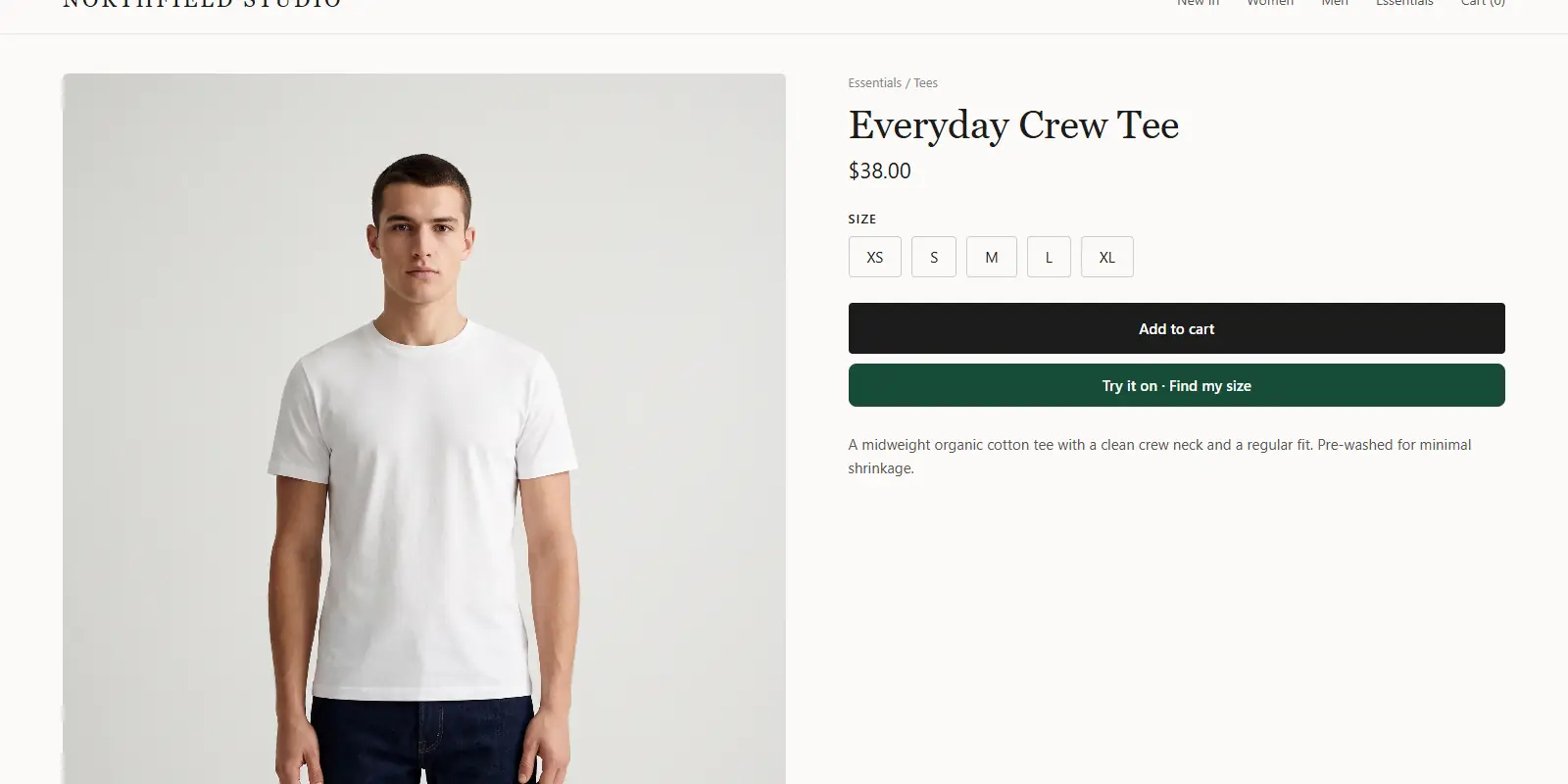
With ZeDaq.ai, a shopper uploads one photo, enters their height and gets a recommendation from the store's own size chart. Merchants control the chart, so any length columns you publish still need to be explained in your own size guide. See how virtual try-on compares with size charts to decide where each helps.
For men, long and wide fits work differently, as covered in big and tall menswear sizing.
What does a worked example look like?
Say you have a long torso and long legs, and you are comparing two dresses. Write your numbers down, then compare each row of the chart to them, one length at a time.
- Dress A lists a body length that ends above your knee on your frame. Skip it, or look for a tall option.
- Dress B lists a longer body length and a waist seam placed lower. Keep it.
- Check the sleeve. If the sleeve is short of your wrist measurement, note it and decide whether three-quarter sleeves suit you.
The point is to judge length from numbers, not from the model photo. A model's height changes how any garment looks, so find her height in the listing and compare it with yours.
What mistakes do tall shoppers make most?
A few habits cause most bad orders:
- Buying a bigger size to gain length, then getting a baggy fit.
- Trusting the photo instead of the measurements.
- Ignoring the rise on trousers and jeans.
- Forgetting that fabric stretch and shrinkage change the final length.
- Skipping the returns policy, which matters when a brand has no tall range.
Fix these by measuring once, comparing numbers and reading the fit notes before you add to cart.
See how a garment looks on your own photo
FAQs
Is "tall" the same as "long" in clothing sizes?
Not always. Some brands use "long" for sleeves or body length and "tall" for the whole range. Read the chart for the exact lengths.
Should I size up if I am tall?
Only if the garment is tight in width. For length alone, look for a tall size or a longer listed measurement rather than a bigger size.
What if a store has no tall range?
Check the listed lengths in the regular chart. If the store lists inseam and sleeve length, you can still judge the fit, and you can ask the store before you buy.
Do I need to hem tall trousers?
Often not, which is the point of a tall size. If the hem is still long, a tailor can shorten it, which is easier than lengthening a short pair.
Try ZeDaq.ai free
Virtual try-on and Find my size for your store, plus client, order and invoicing tools for tailors, in one subscription.

